
Author name: Rabbit Watch

Fumigation 

Fumigants are poisons that are introduced into a rabbit burrow system, to form toxic gases which are inhaled by the rabbit, causing death by absorption. Fumigation does not require the rabbit to eat a bait and so is effective in areas where bait shyness is a problem. It is labour intensive but can be used

Fumigation  Read More »

Rabbit trapping

Trapping Leg-hold trapping is useful for dealing with small numbers of rabbits where alternative techniques are not viable. Effectiveness depends on the skill and experience of the operator. The Animal Welfare Act 1999 requires that traps are checked within 12 hours of sunrise, and for rabbits this should be as early as possible. The Animal

Rabbit trapping Read More »

Pindone Rabbit Bait

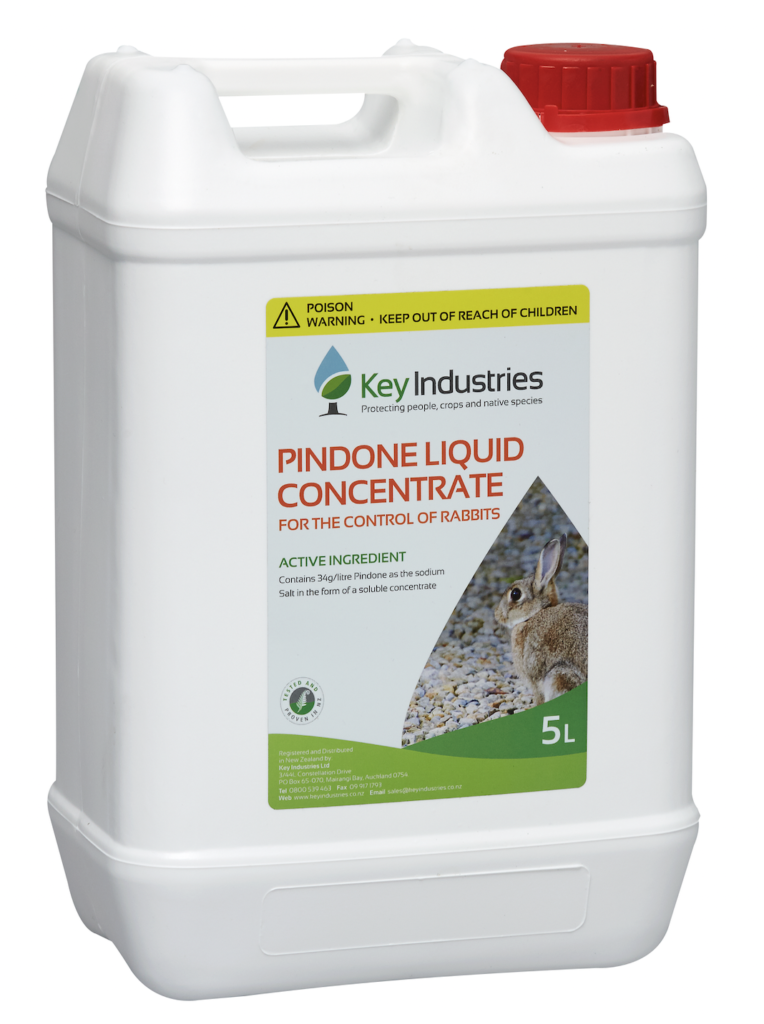
Pindone Characteristics: Full grown Rabbits require 21 Pindone pellets for mortality. Eaten over 5-6 days. Multi-feed toxicant Assess the area to be treated using the Modified McLean Scale. It takes around 2-4 feeds before enough Pindone is digested. Majority of rabbits will die underground. The hierarchy within the population can affect the initial volume of

Pindone Rabbit Bait Read More »

Night shooting

Night shooting is a reasonably efficient technique for killing rabbits and can be undertaken throughout the year as required. Often three passes are needed for control to be achieved, and at least 70% of the area must be accessible before contemplating night shooting. Night shooting tackles the rabbit population at a time when they are

Night shooting Read More »

Group of rabbits

Estimating how many rabbits you are dealing with

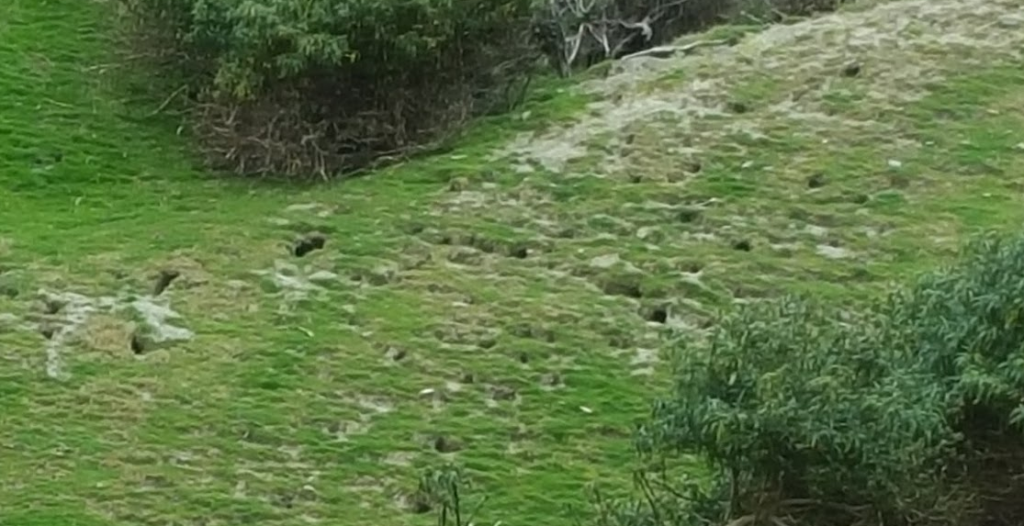
The Modified McLean Scale is effective when dealing with large populations of rabbits that are leaving obvious signs such as buck heaps, burrows and rabbits visible and quantifiable. This scale may not be ideal for smaller blocks where the signs are not so obvious. Using a spotlight at night, count how many rabbits are within

Estimating how many rabbits you are dealing with Read More »

The History of Legislation for Rabbit Control

Online encyclopedia Te Ara: The Encyclopedia of New Zealand outlines the history of rabbit control in New Zealand. The first Rabbit Nuisance Act was passed in 1867, and there have been many more Acts since. The 1881 Act established a system of rabbit inspectors. The 1882 Act increased their powers. Inspectors came under the authority

The History of Legislation for Rabbit Control Read More »

rw-hare

Rabbit or Hare?

Hares and rabbits are lagomorphs and belong to the Leporidae family. Hares are generally bigger than rabbits. Hares are distinguished from rabbits by their larger size, longer ears, and longer hind legs. They also tend to live alone or in pairs in above-ground nests. Rabbits live in social groups. Their young are born blind and

Rabbit or Hare? Read More »

Biology of the Rabbit Oryctolagus cuniculus

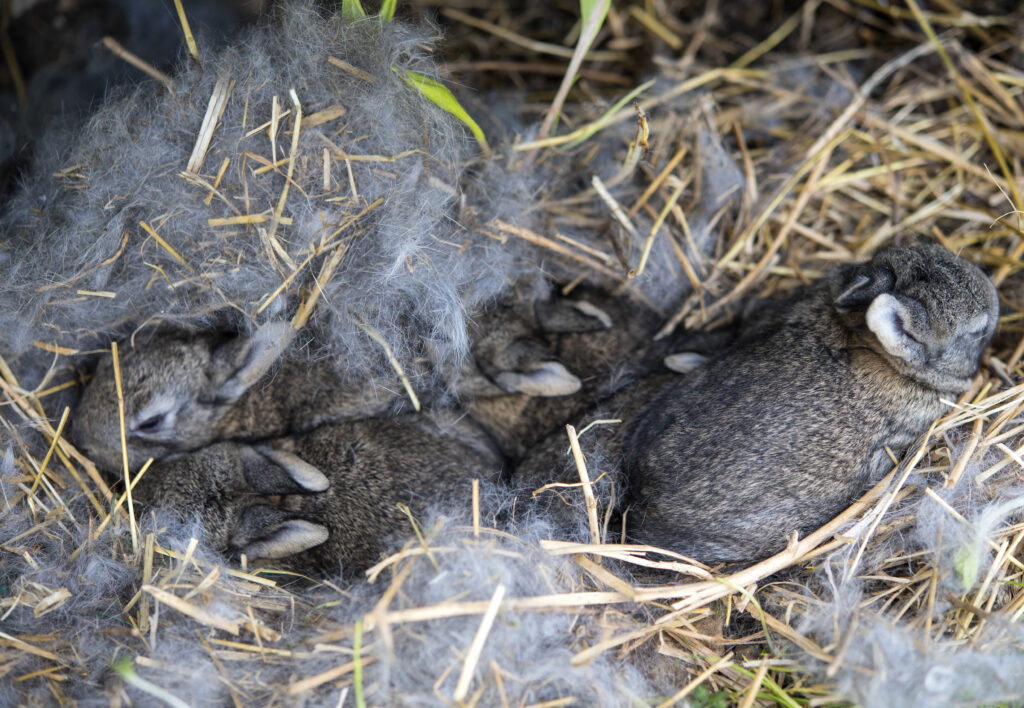
Biology of the Rabbit Oryctolagus cuniculus (content copied from – National Pest Control Agencies Rabbit Guide) Rabbits of European or Australian origin were released in New Zealand during the 1850s. By 1876, numbers had increased and were widespread enough to cause concern in some areas. Rabbits spread rapidly and numbers peaked in 1890. Rabbits competed for

Biology of the Rabbit Oryctolagus cuniculus Read More »

Scroll to Top