

A Practical Guide for Farmers and Landowners
Rabbit control is not a one-off job. Long-term success comes from consistent monitoring, early intervention, and combining multiple control methods throughout the year.
For New Zealand farmers, orchardists, lifestyle block owners, and rural land managers, ongoing rabbit management is essential to protect pasture, crops, native vegetation, and farm productivity.
Why Rabbit Monitoring Matters
Rabbit populations can recover surprisingly quickly after control operations if properties are not regularly monitored.
A small number of surviving rabbits can rapidly repopulate an area, especially during favourable breeding conditions. Regular monitoring helps landowners:
- Detect population increases early
- Reduce reinfestation risks
- Improve timing for control programmes
- Lower long-term control costs
- Protect previous investment in rabbit control
The earlier rabbit activity is identified, the easier and more cost-effective it is to manage.
Signs of Rabbit Activity
Monitoring begins with recognising the common signs of rabbit presence.
Fresh Droppings
Rabbit pellets are one of the easiest indicators of activity. Fresh droppings are usually dark, moist, and clustered around feeding or shelter areas.
Grazing Damage
Look for:
- Closely cropped pasture
- Ringbarking on young trees
- Damage to crops and seedlings
- Bare patches around warrens
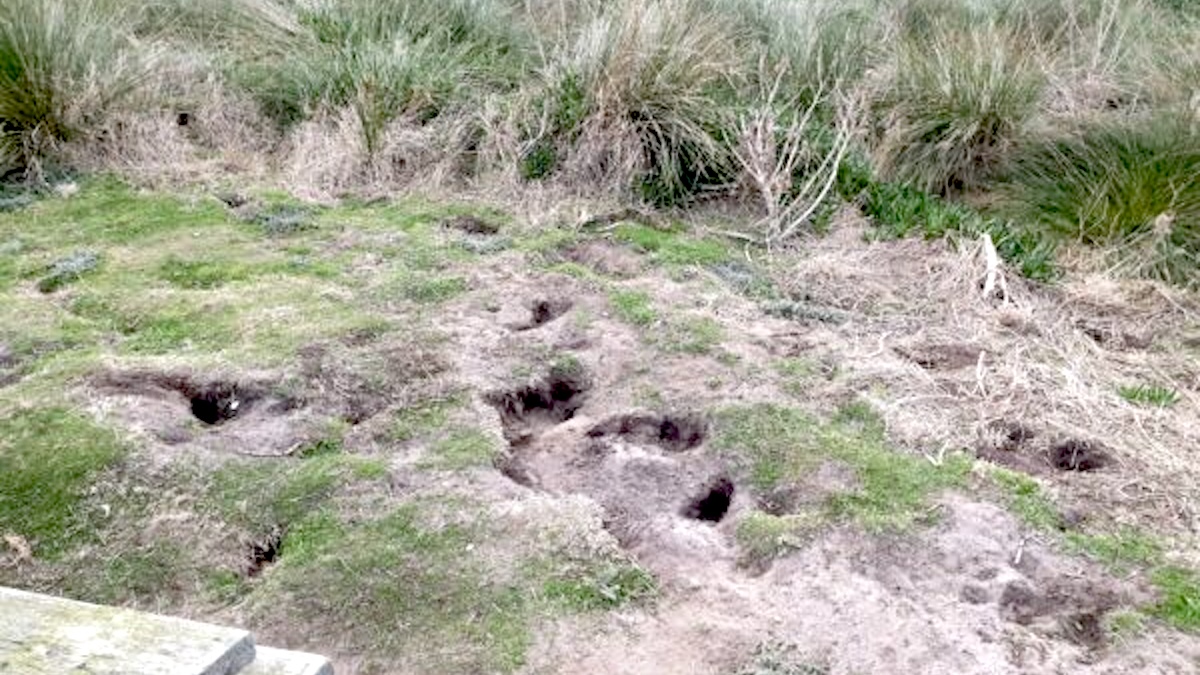
Burrows and Warrens
Active warrens often show:
- Fresh soil disturbance
- Multiple entrances
- Tracks leading in and out
- Signs of digging activity
Rabbit Scrapes and Tracks
Scrapes in the soil and regular movement pathways can indicate active populations.
Sightings at Dawn and Dusk
Rabbits are most active during low-light periods. Monitoring during early morning or evening can help assess activity levels.
Using the Modified McLean Scale (MMS)
The Modified McLean Scale (MMS) is commonly used in New Zealand to estimate rabbit population levels.
The scale helps landowners assess:
- Rabbit density
- Damage severity
- Whether immediate control is needed
- Progress after control operations
Monitoring rabbit numbers before and after treatment provides valuable information about programme effectiveness.
Seasonal Rabbit Management
Rabbit activity changes throughout the year, so management strategies should adapt seasonally.
Spring
- High breeding activity
- Monitor young rabbit populations
- Early intervention prevents population explosions
Summer
- Rabbits often spread into wider grazing areas
- Monitor dry paddocks and pasture pressure
Autumn
- One of the best times for coordinated control
- Reduced feed availability improves bait uptake
- Ideal timing for baiting programmes
Winter
- Easier to identify active warrens
- Good time for fumigation and habitat reduction
- Reduced vegetation improves visibility
Integrated Rabbit Management Works Best
No single control method provides permanent rabbit control.
The most effective programmes combine multiple approaches, including:
Pindone Baiting
Widely used across New Zealand to reduce rabbit populations over larger areas.
Shooting
Useful for follow-up control and reducing survivors after baiting.
Warren Fumigation
Targets rabbits sheltering underground.
Warren Destruction
Ripping or collapsing warrens helps prevent reinfestation.
Habitat Reduction
Removing cover such as scrub, long grass, and debris can reduce rabbit shelter areas.
Ongoing Monitoring
Regular inspections help identify reinfestation before populations increase.
Integrated management delivers stronger long-term outcomes than relying on a single method alone.
Coordinating with Neighbours
Rabbit control is significantly more effective when neighbouring landowners work together.
Coordinated programmes help:
- Reduce reinvasion from surrounding properties
- Increase overall control success
- Lower regional rabbit pressure
- Improve long-term suppression
Rabbits do not recognise fence lines, making cooperation essential in many rural areas.
Common Mistakes in Rabbit Management
Many rabbit control programmes fail due to inconsistent follow-up.
Common issues include:
- Only controlling rabbits once populations are already high
- Failing to monitor after baiting
- Ignoring small survivor populations
- Poor timing of control methods
- Lack of neighbour coordination
- Allowing warrens to remain active
Long-term rabbit management requires persistence and regular attention.
Technology and Modern Monitoring
Some landowners now use modern tools to improve monitoring efficiency, including:
- Trail cameras
- GPS property mapping
- Drone inspections
- Digital farm management systems
These tools can help identify hotspots and improve planning for larger properties.
Building a Long-Term Rabbit Management Plan
An effective rabbit management programme should include:
- Regular property inspections
- Population monitoring
- Seasonal control scheduling
- Multiple control methods
- Follow-up inspections
- Neighbour coordination
- Ongoing record keeping
Rabbit control is most successful when it becomes part of routine farm management.
Final Thoughts
Managing rabbits effectively in New Zealand requires more than reactive control. Consistent monitoring, integrated management strategies, and long-term planning are the key to reducing rabbit pressure and protecting farm productivity.
Early action and regular follow-up can prevent small rabbit populations from becoming major infestations.